
Stay up to date with the latest developments
Leave your email address and receive the latest developments in software, AI and Mendix.
Leave your email address and receive the latest developments in software, AI and Mendix.
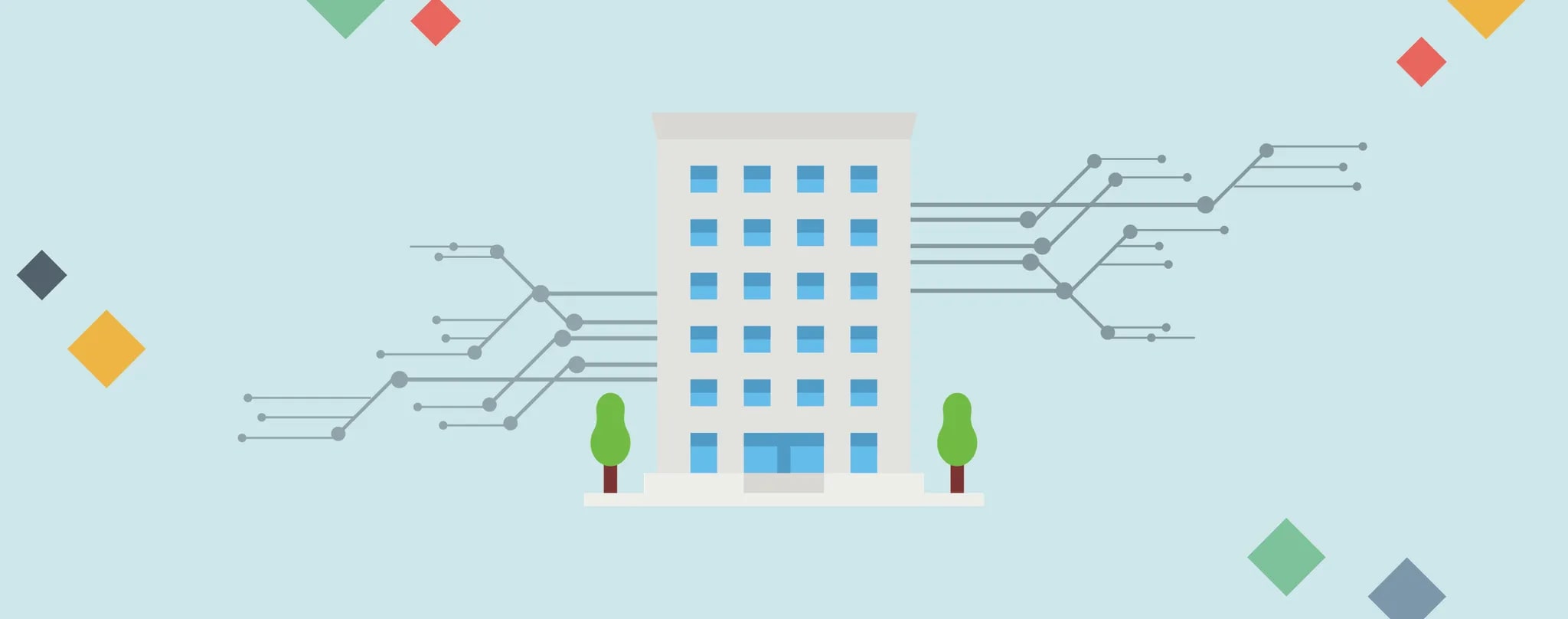
Sometimes digitising and automating processes looks like an enormous mountain that has to be climbed in one go. That feels overwhelming. We regularly see organisations carrying on with sub-optimal processes for far too long because of it. A shame. It is perfectly possible to digitise and automate your processes in small steps. In fact, as far as we are concerned that is far smarter than doing everything at once.
We are big fans of the phased approach. You take on one process (or part of a process) at a time. You go live with it quickly, learn from the results and then move on to the next one. That has a lot of benefits:
Overhauling your entire digital landscape in one go quickly becomes a big project. A project that takes an enormous amount of thinking, time and money. It is no wonder that you as an organisation would dread it. Cutting it into pieces makes the threshold for taking the first step much lower.
You want to avoid things going wrong or grinding to a halt in critical processes. That is much easier to achieve if you keep things small and manageable. If you change a great deal at once, things are guaranteed to go wrong.
Too much change at once is not pleasant for your employees. If you adjust processes in steps, you give your employees the chance to get used to the new way of working gradually.
Turn it into a huge project straight away? Then you might only see the first results after months or even years. Cut it into pieces? Then those results come much sooner. Sometimes within a few weeks. That generates positive energy. As a result you will see everyone getting keen to optimise even more processes.
You can try to think out an entirely new process in one go, but reality is stubborn. You do not have a crystal ball and things always turn out differently from what you expect. By working in phases you can keep analysing the impact and then adjust course.
Once you have automated a few small processes, you notice how much more efficiently those processes suddenly run. You also get a better sense of what is possible with software. We are certain that at some point you and your employees will start spotting all sorts of things that could be smarter. Things you had not thought about at all to begin with. It is good to allow yourself that learning process.
With a phased approach you do not switch to a completely new system in one go. You optimise (part of) a process in a new application and keep a large part of your existing applications alongside it. The danger is that this leaves you with a fragmented digital landscape in which applications do not work together properly. That causes inefficiency. You have to log in and out of different systems all the time, enter the same data in several places or manually bring together information from different applications. You want to avoid that.
That is why we are fans of the Mendix platform.
Mendix is not only a very good platform for building process-driven applications, it can also be connected to other applications very well. That makes it possible to create composite applications. It means you connect independent applications to each other. You make use of the strengths of each individual application while at the same time creating coherence. That way you let processes flow into each other effortlessly and you avoid the problems described above.
Eventually you can gradually say goodbye to your existing applications and move over to Mendix entirely. Or perhaps you decide you would like to keep using an existing application. Many of our clients like to report through tools such as PowerBI, for example. That is not a problem. By connecting Mendix to another application, data is exchanged effortlessly and automatically.
The threshold for starting with digitisation and automation is much lower than you think. Our advice: start small and take that first step. The best moment to start with digitisation and automation was yesterday. The second best moment is now.
Once it is clear where the process gets stuck, the next question arises: which solution fits? Sometimes a small process application is enough. In other cases a web application, mobile app or a connection with existing systems makes more sense.
Read on about web applications for process digitisation, mobile apps for use on location, integrating AI into existing software and maintenance and further development.
We would be glad to think it through with you. Get in touch.
 Want to know more?Ask Armando
AI-assisted development speeds up traditional application development, but the bigger shift is the room it creates to te...
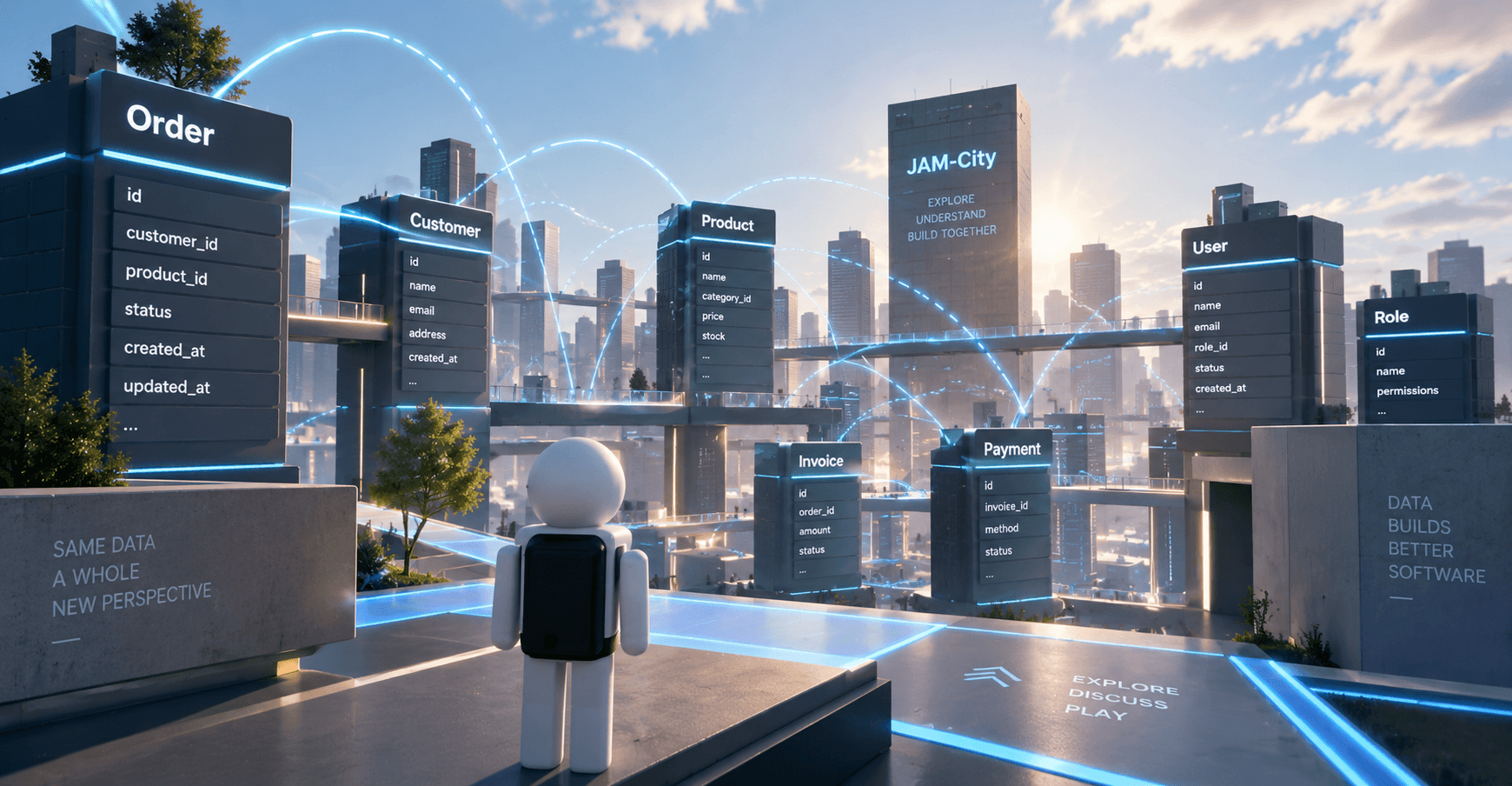
It started as a way to view a database in 3D. It now has a name, JAM-City, and we can walk through it with colleagues, d...

What will users expect from software in the future? Discover what makes an application future-proof and which choices ma...