
Stay up to date with the latest developments
Leave your email address and receive the latest developments in software, AI and Mendix.
Leave your email address and receive the latest developments in software, AI and Mendix.
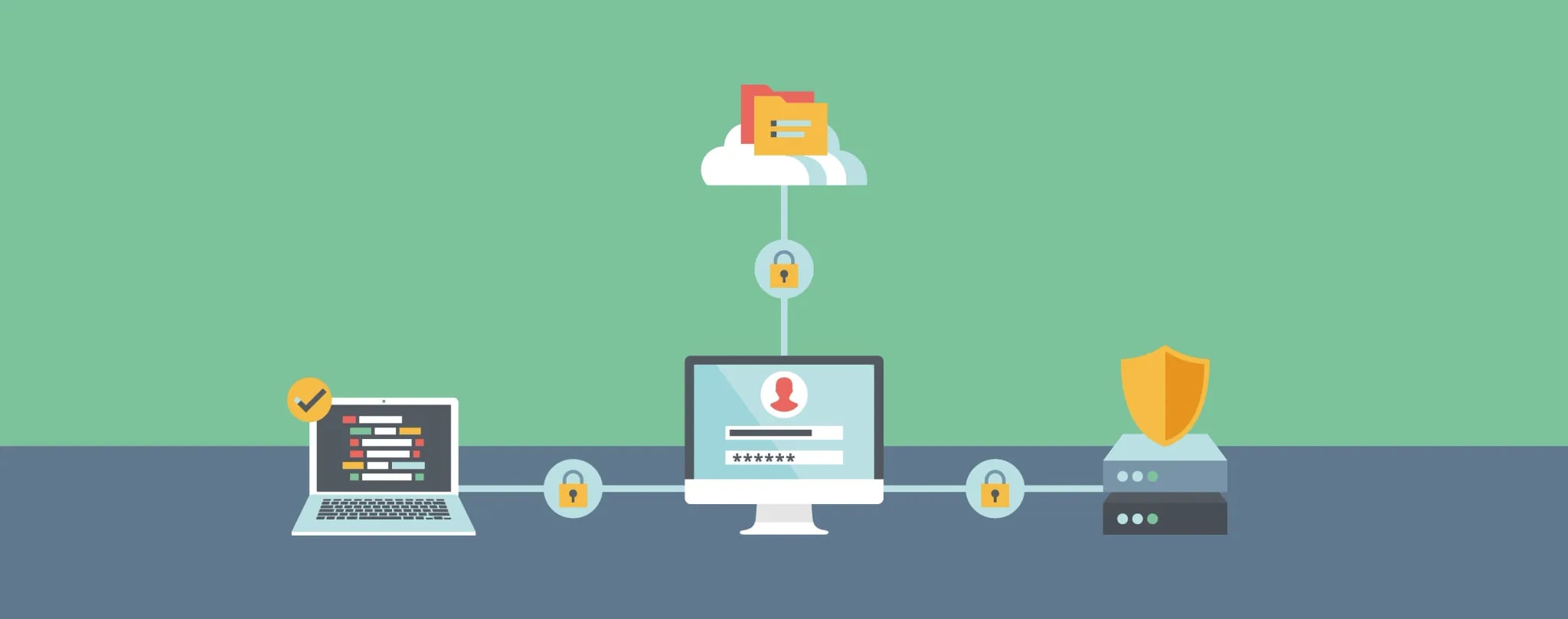
You have certain expectations of a professional IT company. Think of building a reliable and scalable application and being able to fix errors. In this article we explain how we can guarantee that service.
At JAM-IT we work with a number of quality standards that make sure applications are built in a secure, reliable way. These things come built into low-code platforms such as Mendix, but they apply just as much when we program traditionally. Below we explain the standards briefly, based on questions we are often asked.
All code for the application is stored in one place (the codebase), which can run in different environments. That way you can work in different versions of the same codebase. The changes in each version are tracked through version control. If something goes wrong, a previous version in which the error did not yet occur can be restored.
Every environment the application runs in (test environment, production environment, and so on) is configured separately. That means the app is set up differently in the test environment than in production. Think of sending an email in the test environment: you do not want it to land with end users. And for privacy reasons, the data from the production environment should not be available in the test environment either.
After every new piece of functionality is built, the code goes through our quality check: JamOps. This tool checks whether the new version meets the quality requirements before it can be promoted to the test environment.
All data is stored encrypted in the database. That database can never be reached from the internet. We make sure communication with the server is secure, through an encrypted connection (https/ssl). On top of that, we configure which user has access to which data through access rules.
If something goes wrong, it is important that we can track the error down. We do that by keeping logs: lists of events recorded by time. In them we can find the error, analyse what happened, and fix it.
There are also logs that record who changed what and when (the audit log), and there is a daily copy of the data (back-up) so that data can always be recovered.
 Want to know more?Ask Armando
AI-assisted development speeds up traditional application development, but the bigger shift is the room it creates to te...

It started as a way to view a database in 3D. It now has a name, JAM-City, and we can walk through it with colleagues, d...

What will users expect from software in the future? Discover what makes an application future-proof and which choices ma...