
Stay up to date with the latest developments
Leave your email address and receive the latest developments in software, AI and Mendix.
Leave your email address and receive the latest developments in software, AI and Mendix.

In 2018 departments within Gemeente Rotterdam were asking for more and more applications. To help residents, to optimise internal processes and to work better with partners. But the municipality could not meet that demand internally, because of its traditional way of programming. Starting and finishing projects took far too long, so departments had their apps developed by external agencies. As a result, though, the municipality lost control. The apps that were developed were often not scalable. On top of that there were concerns around data ownership and security.
It was time for a change.

The municipality decided to start developing low-code apps, using Mendix. That way they could develop and launch apps far faster and keep control themselves.

The first step we took together was putting a solid foundation in place.
JAM-IT and Gemeente Rotterdam continue to work together.
Grown to more than 100 Mendix apps in 4 years
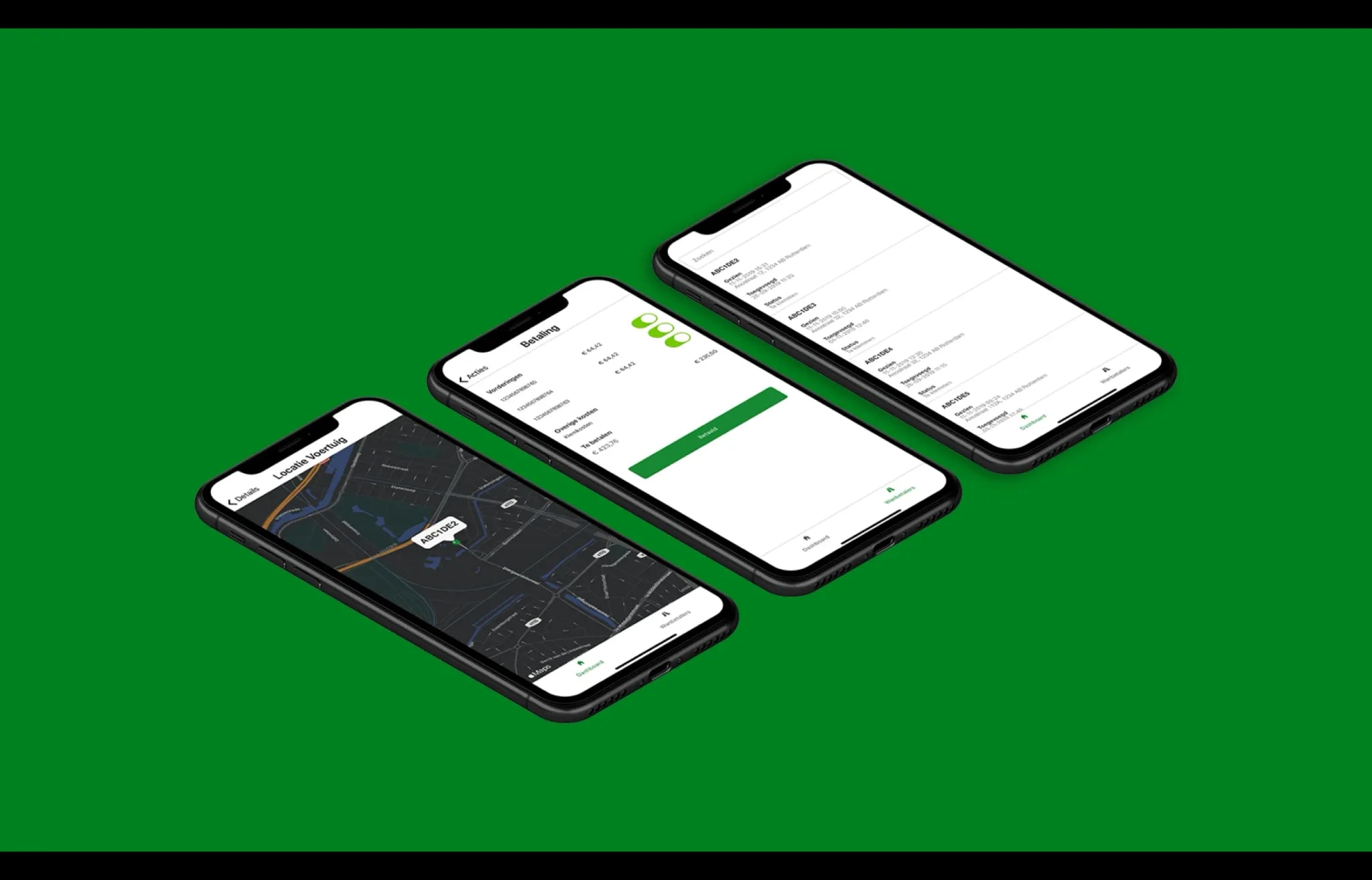
In April 2018 Armando, one of the owners of JAM-IT, joined as lead developer within the municipality's Mendix team. At that point the municipality had only just started developing its first Mendix apps. They really were at the very beginning. There was little knowledge of Mendix, the team was inexperienced and there were no guidelines. How different things are now, four years on. The Mendix team has since grown to 60 people and more than 100 fully fledged apps are running. How do you manage growth on that scale?
Erik van der Steen, RAD Mendix Advisor, explains: At the start we did not have the Mendix knowledge in house. That is why we brought Armando in. He supplied the conventions, which JAM-IT had already drawn up. He also helped bring a clear consistency to the way we develop. That has made the apps easy to maintain and scale. We found the collaboration very pleasant right from the start, Armando is simply a nice bloke. He has a positive outlook and never sees a problem. He picks things up and gets them done.
Once the first apps had launched, Mendix became better and better known within the municipality. The feedback was positive. Municipal staff could see that it really was easier, and different. The biggest advantage was the strong involvement of end users. Erik: When you work with external parties, a distance grows between the user and the builder. Because we now do it internally, we really do it together. We can talk every day. Sometimes you first have to see what has already been built before new ideas come along. There is room for that now.
Covid put this whole process into serious overdrive. Marja van der Veer is RAD Coordinator. She explains: During the lockdowns there were a great many things residents could no longer come in for. Applying for benefits or registering a birth, for example. We developed applications for that.
Sixty people are now working on more than 100 apps. That naturally brings challenges within the organisation too. That is why the Mendix team recently changed the way it collaborates. Marja: We have now divided the team into clusters. There are 6 Scrum teams, which pick up everything that comes up for their cluster. That covers developing new applications, but also maintenance and management. That way the Scrum team gets to know the cluster well and managing the applications becomes much clearer. What is more, this set-up encourages collaboration. Developers told us they liked being able to talk things through and bounce ideas off each other.
Erik: JAM-IT's role has changed as well. Armando is no longer lead developer but acts as a coach. He is now more focused on guiding and training our people. Beyond that he lets the teams do as much as possible themselves.
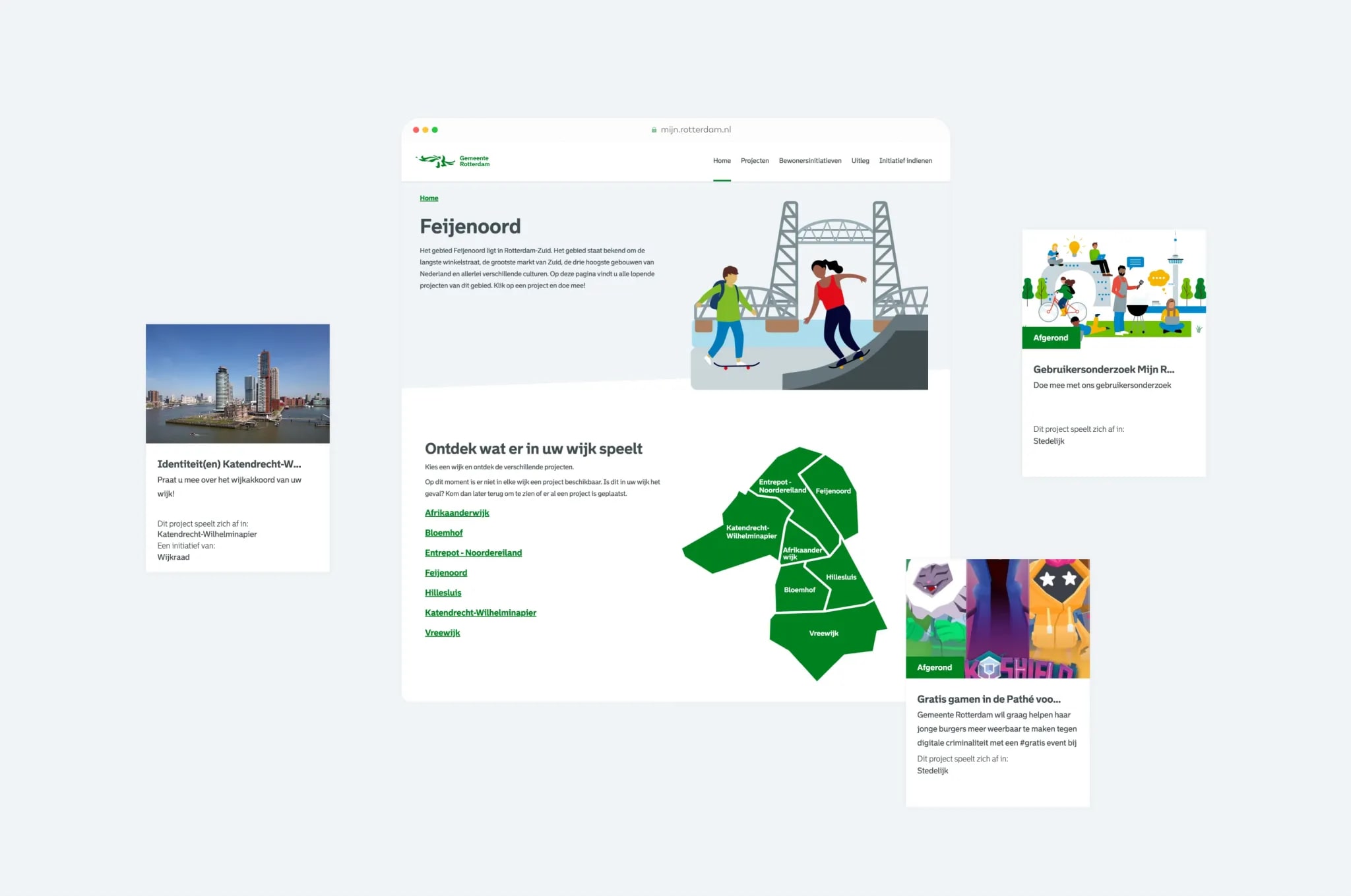
With that many applications it is important that the wheel is not reinvented every time. So knowledge sharing and reuse are becoming ever more important.
We support knowledge sharing by organising knowledge sessions, for example. When the same problem comes up in several projects, it helps if you can learn from each other.
Erik: "To encourage reuse we have developed building blocks. We put key functionality into the starter app. With that app we quickly have a strong basis to which we can add functionality. We are also working on creating mandatory user stories. Every application has to include something on security, for example."
Security also gets more attention at this stage. JAM-IT plays a big part in that. We support with reviews, penetration tests and log keeping, for example.
Gemeente Rotterdam has of course learned a great deal over the past few years. Which lessons can they pass on to other organisations and municipalities?
Erik: "Mendix has a programme for customers. The steps in that programme are start, structure and scale. We skipped structuring and we are running into that now. It was a deliberate choice at the time and we do not regret it, but we do have to solve it now. It would have been easier if we had done it in the right order. So it is better to grow a little more slowly and get everything properly embedded first. You will be glad of that later."
Marja adds one more piece of advice: "We often see organisations wanting to tackle their most complicated question straight away. That is not how we started either. It is better to start simple. Then you can try things out and see what you run into. At that point things are still easy to fix. Once you have learned from those simple things you can start on the difficult questions."
100+
Mendix apps in production
60
people in the Mendix team
6
Scrum teams
4 years
from first app to this scale
We like the fact that JAM-IT is not growing at a mindless pace. They really pay attention to us as a client and find quality more important than quantity. We also regularly hire people through JAM-IT and they are always good people.
 Want to know more?Ask Armando
Paint, coatings and printing ink are everywhere. From buildings and bridges to packaging and vehicles. Yet very few peop...
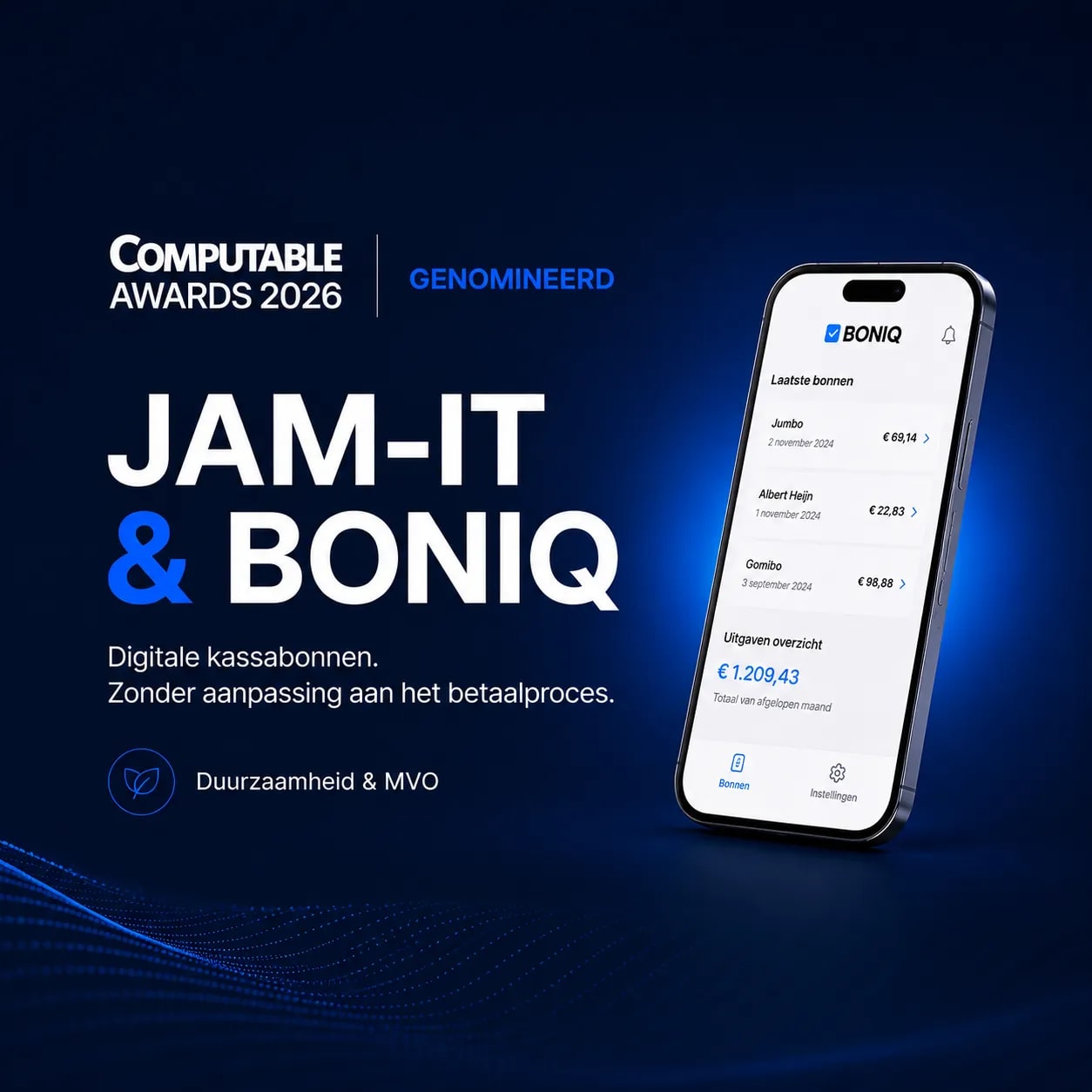
Plenty of business owners struggle with receipts that go missing or fade exactly when they are needed for the books. BON...

For municipalities, contractors and construction projects, efficient stock management of materials is a major challenge....